Understanding Cholesterol: The Good, The Bad, and How to Manage It
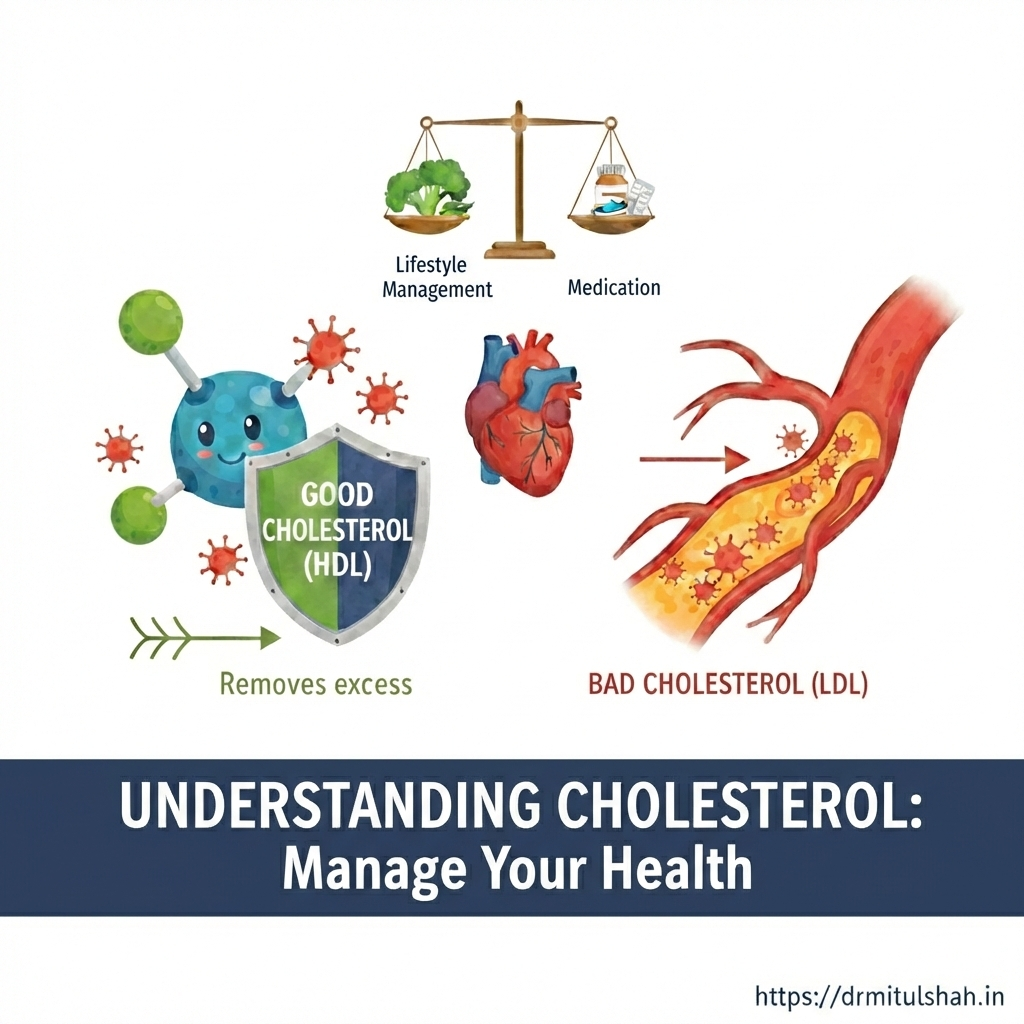
Cholesterol is often misunderstood, but it plays a vital role in your body. While some types of cholesterol are essential, others can harm your health. Understanding the difference and managing your levels is key to maintaining a healthy heart.
What is Cholesterol?
Cholesterol is a waxy, fat-like substance found in your blood. It helps your body build cells, produce hormones, and make vitamin D. However, not all cholesterol is the same.
- Low-Density Lipoprotein (LDL): Often called “bad cholesterol,” LDL can build up in the walls of your arteries, leading to blockages and increasing your risk of heart disease and stroke.
- High-Density Lipoprotein (HDL): Known as “good cholesterol,” HDL helps remove excess cholesterol from your bloodstream and carries it to the liver for disposal.
- Triglycerides: A type of fat in your blood that, when elevated, can also increase your risk of heart disease.
Why is High Cholesterol Dangerous?
High cholesterol often shows no symptoms, but it silently damages your arteries over time. When LDL cholesterol accumulates, it forms plaques that narrow or block blood flow. This condition, called atherosclerosis, can lead to serious problems like:
- Heart attacks
- Strokes
- Peripheral artery disease
Factors That Influence Cholesterol Levels
- Diet: Saturated fats, trans fats, and excess sugar can raise LDL and triglycerides.
- Exercise: Physical activity increases HDL and reduces LDL.
- Weight: Excess weight often correlates with higher LDL and triglycerides.
- Genetics: Family history can predispose you to high cholesterol.
- Age and Gender: Cholesterol levels typically rise as you age.
How to Manage Your Cholesterol
- Adopt a Heart-Healthy Diet:
- Eat more fruits, vegetables, whole grains, and lean proteins.
- Limit saturated and trans fats found in fried foods and baked goods.
- Incorporate healthy fats like olive oil, nuts, and fatty fish (rich in omega-3 fatty acids).
- Exercise Regularly:
- Aim for 30 minutes of moderate exercise, like brisk walking or cycling, most days.
- Maintain a Healthy Weight:
- Even a modest weight loss can significantly improve cholesterol levels.
- Avoid Smoking and Alcohol:
- Smoking lowers HDL, and alcohol can raise triglycerides.
- Consider Medication if Needed:
- If lifestyle changes aren’t enough, medications like statins can help manage cholesterol levels.
Know Your Numbers
Regular testing is essential. A lipid profile measures:
- Total cholesterol: Ideal is less than 200 mg/dL.
- LDL cholesterol: Aim for less than 100 mg/dL.
- HDL cholesterol: Aim for 40 mg/dL or higher for men and 50 mg/dL or higher for women.
- Triglycerides: Aim for less than 150 mg/dL.
Take Action Today
Managing your cholesterol is an investment in your heart health. Schedule regular check-ups, make lifestyle changes, and stay informed about your health metrics. Need personalized advice? Our Preventive Cardiology Program is here to guide you every step of the way.
Cholesterol Risk Assessment Tool
Download this tool for self-assessment
